
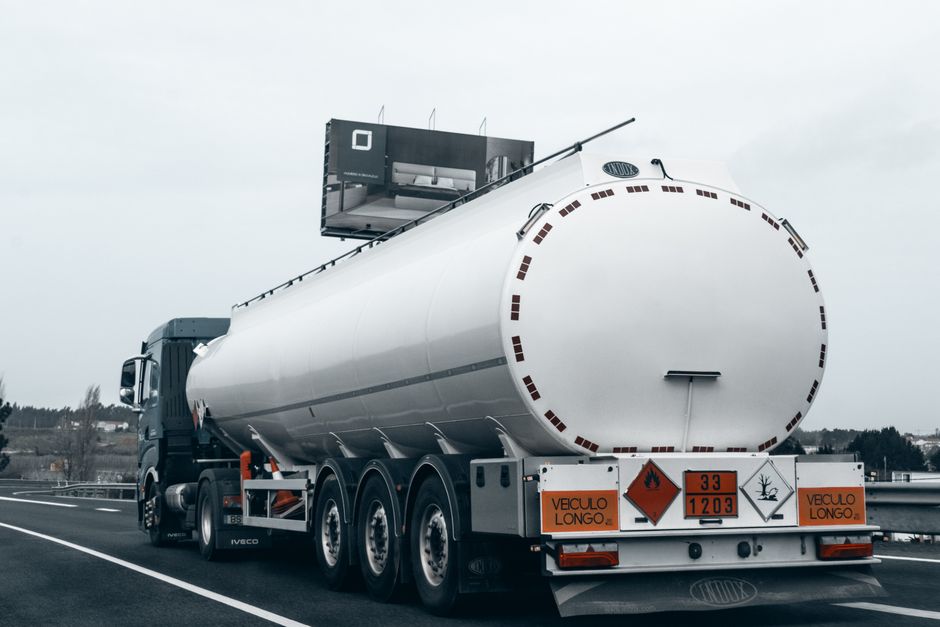
On October 9, President Trump announced that Russia will supply large amounts of diesel to the US and the world market. To make this possible, the US Treasury suspended sanctions on Russian diesel until April 2027. Ukraine’s president called the move a gift to Putin, and Democrats in Congress pointed out that a new sanctions law had been signed only weeks earlier.
Most coverage agrees on the consequences and mentions the upcoming midterm elections. What it rarely explains is how this deal would actually help, because the numbers are small. This post summarises the common view, points out the gap, and then looks at one reading that tries to fill it. That reading is an interpretation, not established fact.
The Deal and Common Views
Trump wrote that Russia would immediately supply more than 300,000 tons of diesel, another 500,000 tons in November and a million tons right after. A further three million tons would follow, depending on the condition of Russia’s refineries. The Treasury issued a temporary general license, a formal exemption from the sanctions, valid until April 7, 2027. Putin confirmed Russia’s readiness to supply, and Der Standard adds up the firm tranches to 1.8 million tons. Ukrainian and European diplomats were in Miami for talks with US envoys at the time. Zelensky said the diesel plan never came up there.
On consequences, outlets line up. The Institute for the Study of War assesses that the waiver will fund Russia’s war effort and prolong it, and calls it a one-sided concession. Zelensky called it an investment in the war. On the election link, US diesel passed six dollars a gallon in September, a record, and has risen about 70 percent this year since the US-Israeli war with Iran began. Iran has been obstructing tanker traffic through the Strait of Hormuz. With the midterms in early November, Trump said lower prices for farmers and truckers are his top priority.
The Missing Explanation
The volumes are small. German news agency dpa calculated that 300,000 tons would cover US diesel use for about 14 hours. An Atlantic Council analyst told Axios the volumes are uncertain and would not solve the shortage, and CNN reports that former US officials doubt Russia has that much to sell. The oil price barely moved after the announcement.
There is also a built-in dependency. Russia banned diesel exports in July because Ukrainian drones damaged its refineries, and Trump’s own post ties the last three million tons to the state of those refineries. So if the deal cannot noticeably lower prices before people vote, why announce it now? Most coverage stops at that question.
If Prices Stay High
Consider what came before. On September 13, Trump told Zelensky to stop hitting Russian diesel refineries. The next day he wrote that the rise in diesel prices is mostly caused by the Russia-Ukraine war, not Iran. How much each factor contributes is debated among analysts, but for the political argument that matters less than what voters believe. Any story that moves attention away from the Strait of Hormuz and toward someone else is useful to Trump, whether or not it is fully accurate.
Now assume diesel stays expensive through October. That is not far-fetched. The promised volumes are small, much of the supply depends on damaged refineries, and Hormuz is still disrupted. In that scenario, the deal gives the administration an explanation ready to use. Russia agreed to deliver, the argument would run, but its refineries keep being hit by Ukraine. The blame lands on Kyiv, and Hormuz fades from the conversation.
The setup fits Ukraine’s position. Ukraine has not stopped its strikes, and CNN reports hits on four refineries this week. Zelensky has offered a trade: no attacks on refineries if Russia stops attacking Ukraine’s energy grid. That shows how much these strikes matter as a bargaining chip, and why Washington might want them to stop.
What to Watch For
If prices stay high, these signals would support this reading:
- Deliveries fall short or Russia keeps parts of its export ban, and Washington’s explanation points at Ukrainian strikes rather than at Russia’s capacity or at Hormuz.
- Trump or his officials repeat the demand that Kyiv stop hitting refineries, especially as the vote gets closer.
- Refinery strikes become an explicit US demand in the peace talks rather than a side remark.
- Hormuz drops out of the administration’s explanation of prices.
If prices fall instead, or the administration takes credit without mentioning Ukraine, or the talks leave the strikes alone, the reading looks weaker. Either way, the answer will be visible before Election Day in the deliveries, the price at the pump and the words used to explain both.
Key Takeaways
- The US suspended sanctions on Russian diesel until April 2027 after a Trump-Putin call on October 9.
- Outlets agree it helps fund Russia’s war and is linked to high US fuel prices before the midterms.
- The promised volumes are small, and the larger part depends on refineries Ukraine keeps striking.
- If prices stay high, the deal could give Washington a way to blame Ukrainian strikes. The signs to watch are whether it does.
Sources
- ISW, Russian Offensive Campaign Assessment, October 9, 2026
- Der Standard, Trump telefonierte mit Putin, der versprach ihm 1,8 Millionen Tonnen Diesel
- Video, Trump Announces US Will Buy Diesel From RUSSIA (YouTube)
- Axios, Trump announces major diesel deal with Putin, infuriating Ukraine
- CNN, Trump deal for Russian diesel sparks anger in Ukraine, doubts among analysts
Photo: Vadym Alyekseyenko via Pexels